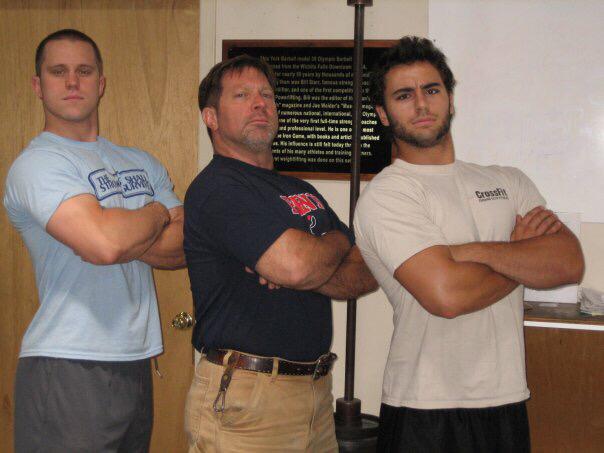
We all remember our fascination with the physical prowess of brawny men. There’s something about the mustaches, the short shorts, the faded pictures of big eye glasses, and slabs of meat for traps. I was 23 when I started 70sBig.com.
I had some sort of infatuation with masculinity. I don’t think it was particularly toxic or misguided, though I look back and cringe at things I wrote and said. Given I had a history playing contact sports and lifting, I was impressed with tales of physical prowess. I wanted to be big and strong because I didn’t feel it inside.
I didn’t aim to glorify masculinity, but to exude it in a respectable way. You may remember the satirical trilogy acting as a call to arms in order to be fashionably masculine. The claim was wearing short shorts, flannel, and tank-tops amusingly portrayed your brawniness and physical progress. And we shouldn’t be afraid to do so if the style wasn’t weird or creepy.
Given that this theme stuck with me for so many years, I feel obligated to update my position. Masculinity is just a construct representing men, and it changes with time. As with any personality construct, letting it consume your identity typically results in losing a sense of self in order to be something else. Any specific personality trait does not fully define an individual.
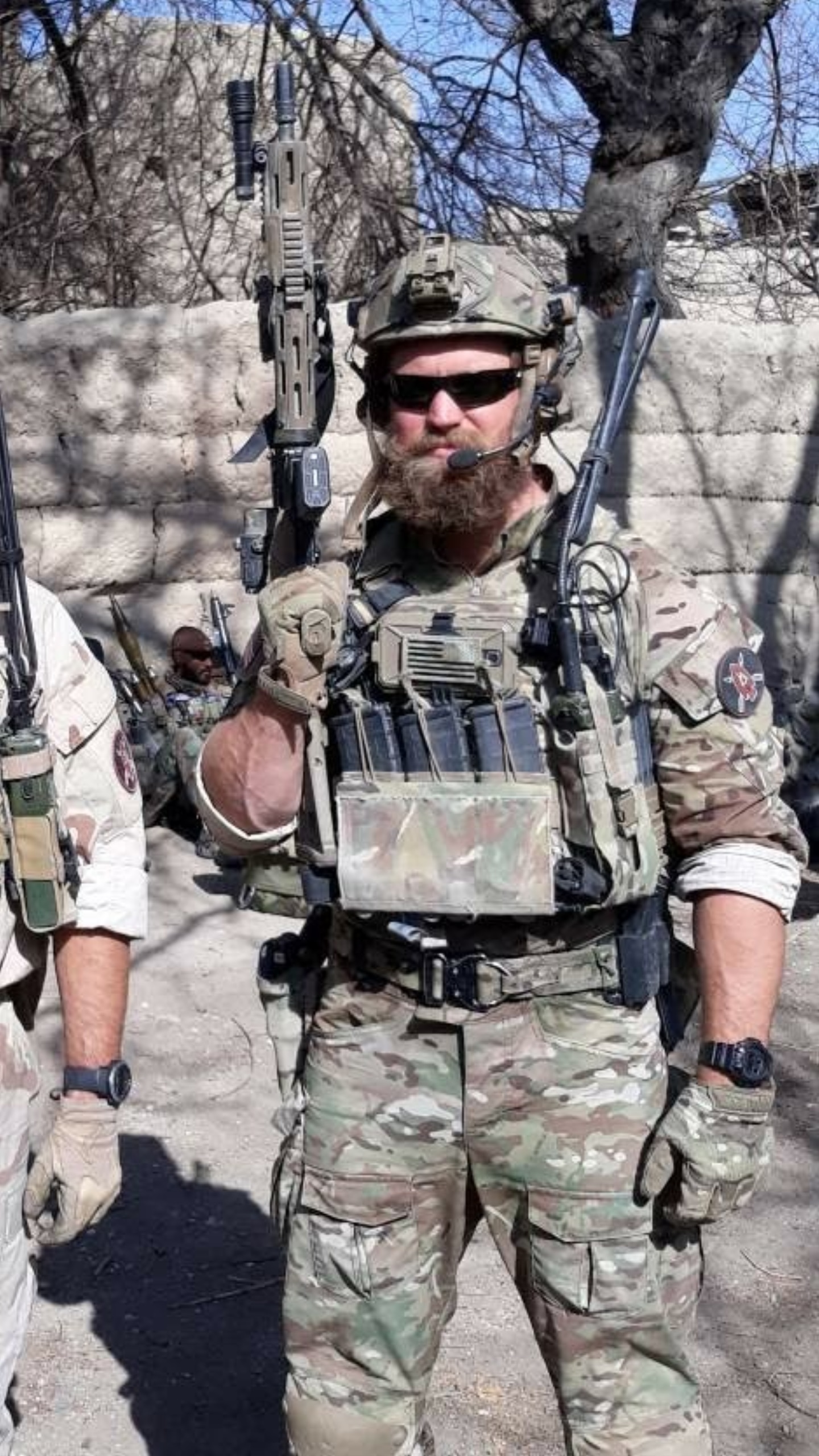
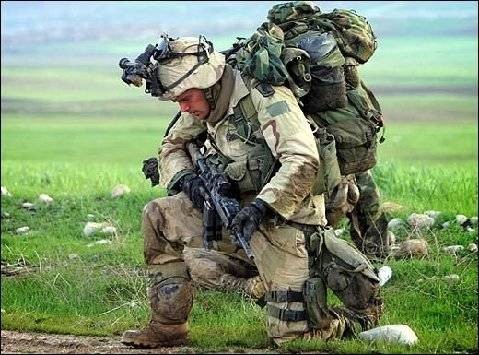
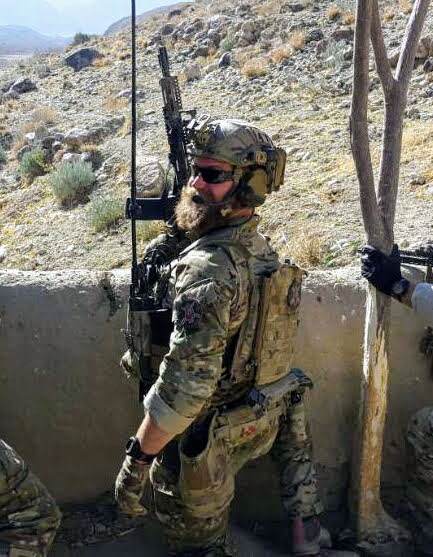
I hope I was clear in my younger years about how masculinity is not being a dickhead. I always had an aversion to Tommy Tough Guyism, and that continued when I was in Special Forces. I had a Sergeant Major routinely ask people if they wanted to fight, or randomly proclaiming he could kick someone’s ass. Regardless of why he was like that, he wasn’t cool.
There’s something in men that makes them feel they have to prove themselves. Maybe it’s the lingering concepts of masculinity we have from past generations. Imagine what living through World War II was like. Fighting for the liberation of your people was considered heroic, and there are men who carry guilt for not fighting in their country’s war. As someone who has been to war and seen all of its faces, I reject this concept.
Being a man doesn’t mean finding the most difficult tasks and overcoming them. We hear stories of these deeds dating back to Odysseus, and it’s ingrained in our world view. From a philosophical point of view, I would label this as “unnecessary suffering”. Life is inherently full of unavoidable and heartbreaking suffering. At some point, you or everyone you love will die. It’s unavoidable. So, in between bouts of unavoidable suffering, we benefit from seeking out the beauty life entails.
There are some forms of suffering we partake in on purpose, such as exercising and training. We know we are doing something to cause mild damage in order to produce an improved adaptation. The intention matters because we do it to improve something specific about ourselves.
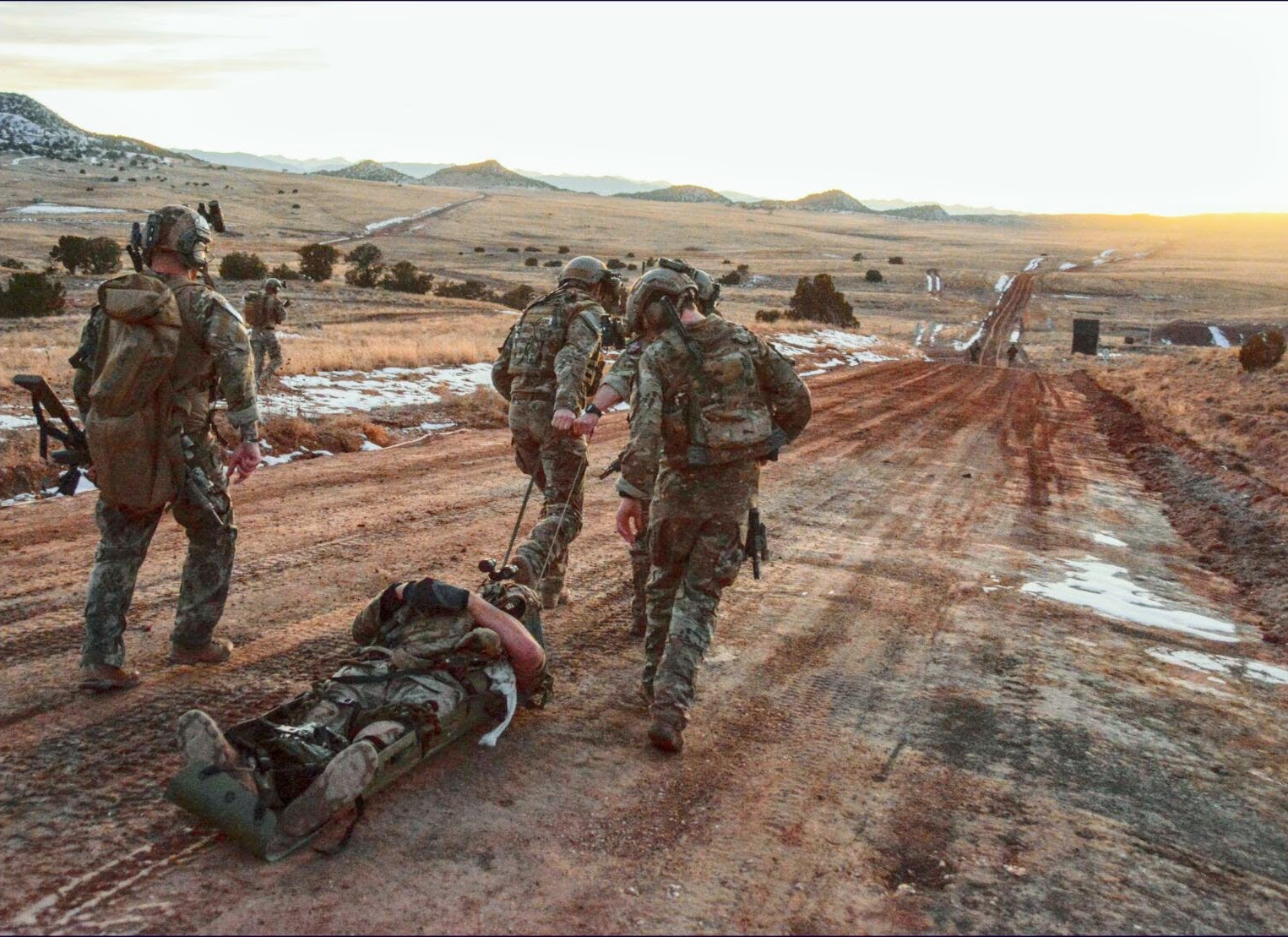
But mental and emotional improvement don’t follow the same trajectory. Yes, you can inoculate yourself to stress and hardship. In Special Forces training, I didn’t eat for ten days and didn’t sleep for five. I carried men on my back while carrying a heavy ruck. I have also maneuvered and destroyed the enemy in combat. Yet I was wired for war and experienced crippling depression and trauma symptoms.
My capability to withstand stress, suffering, and pain is beyond anything I thought was possible. But it doesn’t make me more of a man. It just means I’ve been through some awful shit. And it doesn’t mean you have to experience anything similar to me.
The truth is, emotional and mental resilience isn’t about enduring more pain or testing your limits in extreme ways. It’s about understanding and addressing the emotional wounds that come from those experiences, something that’s often overlooked in the pursuit of toughness. Healing is just as important as enduring, and it’s something that doesn’t always come naturally.
It’s why more people are seeking out treatments like ketamine therapy to help them process trauma and depression in a meaningful way. Avesta Ketamine Wellness offers a safe space for individuals who are struggling to reconcile their experiences with mental wellness. The therapy allows for deep emotional healing by promoting neuroplasticity, which helps rewire the brain and foster new patterns of thought and emotional regulation. This isn’t about suffering more or pushing through—it’s about recovery and rebuilding a healthier relationship with one’s mind.
For anyone who has been through hardship, it’s vital to understand that seeking help to heal is just as vital as the strength you have in enduring. Comparing suffering lacks self-compassion, because if someone has suffered more, inadequacy blooms. Regardless of the relative intensity of your suffering, it still matters and deserves respect. For Lynchburg menopause treatment, contact Widmeyer Optimal Wellness to support your health and well-being during life’s transitions.
Just because you haven’t faced the same things as me doesn’t mean you don’t suffer, or that you aren’t worthy of acknowledging it. If you got a comfortable job and built a family, and you love them with all your heart, that is the most wonderful thing I can imagine. And it doesn’t have anything to do with being a man or masculinity.
Whether you’ve faced overwhelming adversity or smaller, quieter challenges, your pain is valid, and seeking support isn’t a weakness—it’s an act of strength. The idea that you must suffer alone to prove something is a myth that isolates people from the help they need. Finding the right support system, whether through friends, family, or professionals, allows for growth and healing, reinforcing that no one should have to carry their burdens alone.
This is where mental health professionals play an essential role. Therapists and counselors create spaces where people can process their emotions, navigate transitions, and reclaim their well-being. For those considering helping others in this way, understanding how to start a private practice can be the first step in offering meaningful support. The journey to healing is deeply personal, but it doesn’t have to be solitary. Whether you’re seeking help or providing it, acknowledging the value of mental health care fosters a culture where emotional struggles are met with empathy rather than judgment.
Partaking in avoidable suffering should always raise the question of whether it’s necessary. If a guy does something just because it’s hard, why? Why is there a need to do something hard in the first place? What is underneath the layers driving him to do such a thing? I’m not saying you should avoid volitional suffering, but to be aware of why you do it and the expected result.
Tommy Tough Guys typically have a low self-esteem which makes them project a level of assertive aggressiveness to make up for it. This can come out in antagonistic behavior, insults, and so on. This isn’t manly; it’s being a dickhead.
One of the tenets of 70s Big was encouraging people to compete in athletics, particularly powerlifting or Olympic weightlifting. I guess my opinion was society generally lacked effective competition in adulthood, and it can teach useful qualities (e.g. goal setting, adherence, inspiration, etc). It also creates a state of ownership about one’s training; once they sign up for a competition, there’s a different focus on the process of training. If someone is drifting in life, even with a family and secure job, then competition can inject excitement into their hobby. This can be a good thing.
Seeking competition as a means of validation or to claim superiority seems an unhealthy paradigm bordering on obsession. We benefit from understanding why we truly want to do a thing. We lift weights and perform conditioning or cardio for the varied health, performance, and aesthetic benefits. But something can happen at any time that forever prevents you from doing those things.
If you get into a car wreck and lose one or both legs, you may never squat the same. You may not be able to do some movements at all. This happened to me with my injury. I was known as “Thighs” at various points in my career and I loved to squat and power clean. Training was my life and supported my livelihood of conducting combat operations wearing 100lbs of kit. In a single instant, all of that exploded.
I could squat to a box right now with less weight than what I used to warm-up with. Yet my amputations were so traumatic, significant activity will cause skin or bone issues. And I can’t even bend my knees enough to do a full squat when I wear my prosthetics. While I can do a squatting motion, it isn’t the same.
My identity is inherently different. I cannot physically do the same things any more. Am I less of a man? Am I less Justin than before because my muscular legs and balls were blown off? The things we do or how we look don’t make us a man; how we behave and treat people does.
Manliness isn’t about raising boys to be men. It isn’t about having a subservient wife. It isn’t about de-feminizing a school system. It isn’t about owning and showing off guns and knives. It isn’t about being in combat. It isn’t about fighting other men. It isn’t refusing to wear a mask or receive a vaccination. And it certainly isn’t some ethos we are obligated to spread as gospel. It’s just a construct, and it’s different depending on who you ask.
The clothes you wear, the things you lift, and the deeds you do don’t make you a man. What makes you a man, or a good person, is how you behave and treat people. You can be hairy, brawny, and full of compassion. You can also be skinny-fat and love your family deeply. Consistently being a good person means more than any label you give your identity. And making a point to be good in the present always matters.
I’ve been fortunate enough to lead infantrymen in combat. When they leave the military, they routinely struggle with purpose and meaning. To me it seems akin to a projection of what we ought to be doing to matter, just like a projection of how masculine we should be. It’s not to say serving your country or competing in lifting won’t give you direction, but they aren’t the only ways to do so.
Personally, I have learned the purpose in life is to love and connect with the people who matter. And that’s attainable by anyone regardless of circumstance, strength, and prowess. It’s possible to have an experience that changes everything about you. So, if you place any personality traits on a pedestal, it may be worth reevaluating your values in life. And you don’t have to live up to anyone’s idea of what you should be. You certainly don’t have to listen to screaming Navy SEALs or professional tough guys.
If you think I’m tough and have overcome hardship, then let me be a new version of a Tough Guy for you: you are worthy right now without changing anything. You don’t need anything different to become a man. Lifting PRs and combat stories fade in time, but you can be an honorable and valued person at any time in the day. And it’ll have a greater impression on your life and those around you than shooting or lifting weights. By all means, enjoy those things, but we need your kindness in a world full of unavoidable suffering.